
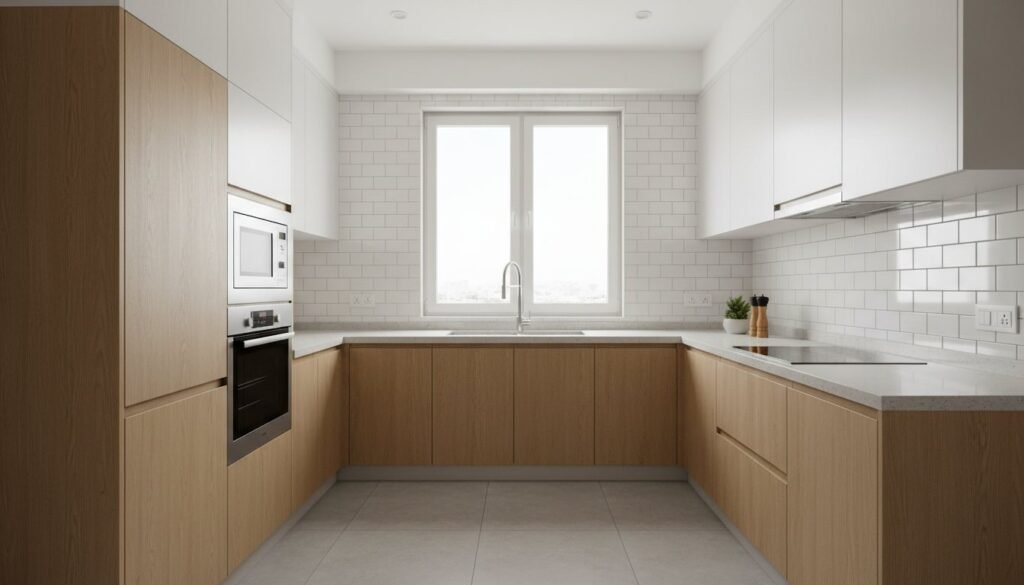
Embarking on a kitchen renovation journey can feel overwhelming, but it doesn’t have to be. A well-planned modular kitchen can transform the heart of your home into a space that is both beautiful and highly functional. This comprehensive guide will help you discover everything you need to know about modular kitchens, from choosing the right layout and materials to planning a functional and stylish space that perfectly suits your home and lifestyle.
What is a Modular Kitchen? Understanding the Modern Solution
At its core, a modular kitchen is a modern approach to kitchen design that consists of pre-made cabinet parts, or “modules,” manufactured in a factory and assembled on-site. These modules come in standardized sizes and include a range of elements like cabinets, drawers, shelves, and other accessories. The core advantage of this system lies in its precision, consistent quality finish, and remarkably efficient installation process. Unlike traditional kitchens built by carpenters on-site, a modular setup is engineered for a perfect fit and seamless integration, minimizing the mess and disruption in your home.
Key Benefits: Why a Modular Kitchen is a Smart Choice
Choosing a modular kitchen offers a host of benefits that make it a superior choice for modern homes. The factory production environment ensures a level of quality and consistency in finish that is difficult to achieve with manual, on-site carpentry. This controlled process leads to a faster and cleaner installation, significantly reducing the project timeline. Furthermore, maintenance and repairs are simplified, as individual modules can be replaced if needed without disrupting the entire kitchen. Perhaps most importantly, modular kitchens excel at smart space utilization, offering a wide array of innovative accessories and storage solutions to maximize every inch of your kitchen.
Modular vs. Carpenter-Made Kitchens: A Clear Comparison
When planning a new kitchen, many homeowners weigh the benefits of a modern modular design against a traditional carpenter-made one. To help you make an informed decision, here is a clear comparison of the key factors. While traditional methods may offer a perception of lower initial cost, a modular kitchen often provides better long-term value through superior durability, finish, and functionality.
| Factor | Modular Kitchen | Carpenter-Made Kitchen |
|---|---|---|
| Cost | Transparent pricing upfront; higher initial investment but better long-term value. | Often seems cheaper initially, but costs can escalate due to labour and material variations. |
| Time | Faster installation (days) as modules are pre-fabricated. | Slower process (weeks or months) as everything is built on-site from scratch. |
| Finish | Machine-pressed, flawless, and consistent finish. | Finish quality depends heavily on the carpenter’s skill and can be inconsistent. |
| Durability | Engineered materials and high-quality hardware ensure long life. | Durability varies based on the quality of wood and the craftsman’s expertise. |
| Design | Wide range of modern designs, finishes, and smart accessories. 3D visualization is standard. | Design options may be limited by the carpenter’s knowledge and capabilities. |
The Anatomy of a Modular Kitchen: Core Components Explained
To truly appreciate a modular kitchen, it helps to understand its essential building blocks. Breaking down the kitchen into its core components allows you to make informed decisions about each element, ensuring the final result is perfectly tailored to your needs.
Cabinets and Carcasses: The Foundation of Your Kitchen
The carcass is the box or body of the cabinet, forming the skeleton of your kitchen. These are categorized into base units (which sit on the floor), wall units (mounted on the wall), and tall units (often used for pantries or integrated appliances). The choice of material for the carcass is crucial for durability, with common options in India including high-quality Plywood, High-Density Fibreboard (HDF), and Medium-Density Fibreboard (MDF).
Shutters and Finishes: Defining Your Kitchen’s Style
Shutters are the cabinet doors and drawer fronts, and their finish determines the overall look and feel of your kitchen. Popular finishes include Laminate, available in matte and high-gloss options, which is known for its durability and cost-effectiveness. Acrylic finishes offer a premium, mirror-like sheen and are highly resistant to moisture, while Lacquer or Polyurethane (PU) finishes provide a seamless and luxurious look in a wide spectrum of colours.
Countertops: Choosing Your Primary Workspace
The countertop is the workhorse of your kitchen, and selecting the right material is vital. In India, the most popular choices are natural stones and engineered materials. Granite is a classic choice, prized for its extreme durability and heat resistance. Quartz, an engineered stone, offers a non-porous surface that is highly resistant to stains and comes in a vast array of consistent colours and patterns. Marble provides timeless elegance but requires more maintenance as it is a softer, more porous stone.
Hardware and Accessories: The Key to Functionality
The magic of a modern modular kitchen often lies in its hardware and accessories. Smart hardware like soft-close hinges and tandem drawer systems ensures smooth, silent operation and longevity. Functional accessories transform standard cabinets into highly efficient storage. Popular options include pull-out larders for pantries, clever corner units like carousels or magic corners to utilize dead space, and organized cutlery trays that bring order to your drawers.
Popular Modular Kitchen Layouts for Indian Homes
Choosing the right layout is the first step towards creating a functional kitchen. The ideal layout depends on the size and shape of your room and is often designed around the “kitchen work triangle”—the path between the stove, sink, and refrigerator. Here are some of the most common layouts suited for Indian homes.
Straight Line Kitchen: Ideal for Compact Spaces
The straight or one-wall kitchen layout is perfect for studio apartments and smaller flats. It neatly arranges all work zones—cooking, cleaning, and storage—along a single wall. This design is a master of efficiency in limited areas, keeping everything within easy reach and creating an open, airy feel.
L-Shaped Kitchen: A Versatile and Popular Choice
An L-shaped layout is one of the most popular and versatile choices, fitting well in small to medium-sized kitchens. It uses two adjacent walls, creating a natural work triangle and providing excellent workflow. This design also opens up corner space, which can be effectively utilized with specialized corner storage solutions.
U-Shaped Kitchen: The Ultimate for Storage and Counter Space
For those who love to cook or have larger families, the U-shaped kitchen is an excellent option. It surrounds the user on three sides, offering an abundance of storage and countertop space. This layout provides the ultimate in efficiency, keeping all work areas close by and allowing for multiple people to work in the kitchen simultaneously.
Parallel Kitchen (Galley): Maximum Efficiency in a Corridor
A parallel or galley kitchen features two countertops running parallel to each other, typically in a corridor-like space. This layout is highly efficient for a single-cook household, minimizing movement between workstations. It’s an excellent choice for long, narrow rooms, maximizing counter and storage space without feeling cramped.
The Purespace Process: Designing Your Dream Kitchen Step-by-Step
Creating your perfect kitchen should be an exciting and stress-free experience. At Purespace, we act as your trusted partner, managing the entire journey from the initial concept to the final, flawless installation. Our structured process ensures clarity, quality, and a result you will love for years to come.
Step 1: Consultation and Understanding Your Needs
Our journey begins with a detailed consultation. We take the time to understand your unique requirements, including your cooking style, family size, storage needs, and aesthetic preferences. Our expert team then takes precise measurements of your kitchen space to ensure every element is planned to perfection.
Step 2: Space Planning and 3D Design Visualization
Using the insights from our consultation, we create a functional layout optimized for your workflow. We then bring your vision to life with realistic 3D designs. This crucial step allows you to visualize your new kitchen, make adjustments, and feel confident in every decision before production begins.
Step 3: Material Selection and Finalization
With a layout in place, our experienced designers guide you through our extensive range of materials and finishes. We help you select the best shutters, countertops, and hardware to match your style and budget. You will receive a detailed and transparent quote with no hidden costs, ensuring complete peace of mind.
Step 4: Flawless Execution and Installation
Once the design is finalized, our ISO 9001 certified process ensures the highest quality standards from factory production to home installation. Our skilled and professional team handles every aspect of the project, delivering a seamless and stress-free experience. Ready to begin your transformation? Schedule Your Free Design Consultation today and let us help you build the kitchen of your dreams.
Frequently Asked Questions (FAQs)
How much does a modular kitchen typically cost in Mumbai?
The cost of a modular kitchen in Mumbai can vary significantly based on size, materials, finishes, hardware, and accessories. A small, basic kitchen might start from ₹1.5 lakh, while larger, high-end kitchens with premium finishes and accessories can go up to ₹10 lakh or more. We provide a detailed, transparent quote after understanding your specific requirements.
Is a modular kitchen more durable than one made by a carpenter?
Yes, a well-made modular kitchen is generally more durable. Factory production uses high-quality, engineered materials and precision machinery, resulting in a sturdier build and a more resilient finish. The hardware used is also typically of a higher grade, ensuring longevity and smooth operation compared to what might be used in traditional carpentry.
How long does it take to design and install a modular kitchen?
The entire process, from design to installation, typically takes 4 to 6 weeks. The design and finalization phase can take 1-2 weeks, followed by 2-3 weeks for factory production. The on-site installation itself is very quick, usually completed within 3-7 days, minimizing disruption to your home.
What are the best materials for kitchen cabinets in a humid climate like Mumbai’s?
For Mumbai’s humid climate, it’s essential to choose moisture-resistant materials. We recommend using Boiling Waterproof (BWP) grade plywood for the carcasses, especially for areas around the sink. For shutters, finishes like high-gloss laminate and acrylic are excellent choices as they are non-porous and easy to clean, preventing moisture damage.
Can you design a modular kitchen for a very small space?
Absolutely. Modular kitchens are exceptionally well-suited for small spaces. With clever layouts like the straight-line kitchen and a wide range of space-saving accessories such as pull-outs, tall pantry units, and smart corner solutions, we can maximize storage and functionality in even the most compact areas.
A thoughtfully designed modular kitchen is more than just a place to cook; it’s an investment in your home and your lifestyle. By combining functionality, durability, and modern aesthetics, it provides a seamless and enjoyable experience for years to come. If you’re ready to transform your kitchen into a masterpiece of design and efficiency, our team is here to guide you every step of the way. Start Your Kitchen Transformation with a Free Quote! As an ISO 9001:2015 Certified firm, Purespace offers a complete one-stop solution from design to execution, delivered by expert designers who specialize in creating beautiful, functional homes across Mumbai.